


If you are planning a transatlantic flight with your pet, check out these 6 most common traps and differences between Europe and USA and their approach to pet travel.
Transatlantic pet relocation is not just about an extra ticket
Flying with your dog or cat across the Atlantic isn’t just about booking an extra ticket. Between airline rules, customs laws, and unexpected difficulties, even the most prepared and responsible pet owners can run into some troubles.
In this guide you can find the most common traps in transatlantic pet travel, so you can avoid delays, stress, and surprises.
Trap #1: Airline dog crate requirements and the Inch vs. CM battle
One of the most common mistakes happens while shopping for a crate. Many US owners buy oversized “Giant” crates (often called Size 70), assuming bigger equals better for their dog. However, European airlines measure crates strictly in centimeters, with a maximum height limit of 75 cm.
That means that if your crate is even slightly taller, it could be rejected as oversized baggage. This can result in the pet being rejected and most often in the need to travel in cargo.
Pet Abroad tip:
- Always check the exact crate requirements of your chosen airline before purchasing.
- Measure in centimeters and add a small buffer—even a fraction of an inch can make a difference.
Trap #2: Getting the EU Health Certificate for dogs from USA
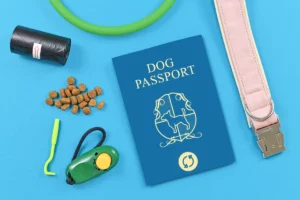
Paperwork is always one of the most important parts of pet travel. There are a few types of pet travel documents LINK, so the key is to know which one is the right one for your pet.
- Many people confuse the British Animal Health Certificate (AHC) with the EU’s Annex IV document.
- For EU entry, your dog’s health certificate must be endorsed by the USDA (US Department of Agriculture).
- Without this official stamp, the certificate is invalid in Europe.
Latest articles from our category Travel documents:
- EU Health Certificate in 2026

- Major Changes to EU Pet Passports: Here is what’s changing │ Updated April 23, 2026
- All you need to know about the EU Pet Passport in 2026


Pet Abroad tip:
- Work with a USDA-accredited veterinarian who knows the exact requirements for EU entry.
- Start preparing documents 2–3 months before your flight—the approval process can take weeks.
Trap #3: Microchips before rabies
Before your dog can receive the rabies vaccine, they must be microchipped and scanned. If the vaccine is given first, the entire process, including a mandatory 21-day quarantine, must start over.
Pet Abroad tip:
- Get the microchip implanted before the rabies vaccine.
- Don’t cut it close—European authorities enforce these rules without exceptions!
Trap #4: The end of ESA flights and strict service dog rules
Since 2021, US airlines no longer recognize emotional support animals (ESAs). If your dog isn’t certified as a service animal (e.g., by Assistance Dogs International), they must travel either in a crate in the cargo hold or in a carrier under the seat if they fit the 8 kg in cabin limit.

For service dogs:
- They must be certified by an accredited organization (e.g., International Guide Dog Federation).
- Without this certification, your dog will be treated as a regular pet.
Trap #5: Even Europe to the USA has rules
Flying to the USA isn’t any easier. The CDC (Centers for Disease Control and Prevention) now requires a mandatory import form for dogs entering the country. Missing this step could mean your pet is denied entry.
Pet Abroad tip:
- Check the latest CDC requirements at least a month before your return flight.
- The form can take days to process—don’t leave it until the last minute.
Trap #6: The dangers of layovers and transit countries
Choosing the cheapest flight with a layover might seem like a good idea—until you realize the rules of the transit country apply, not your final destination. Germany, for example, bans certain “fighting dog” breeds. Even if you’re connecting to Italy or Spain, your dog could be seized or denied boarding in Germany.
So when flying with a pet, it’s always the best to choose either direct flight, or as little layovers as possible. And not “just” for wellbeing of your dog or cat, but also because of the extra hassle.
Pet Abroad tip:
- Always verify transit country rules for your route.
- Sometimes, paying for a direct flight is worth avoiding the risk.
Final thoughts from us
Your experience can make a difference! If you’ve faced a travel trap (or even a success!) while flying your pet, we’d love to hear from you. Share your story with us at contact@petabroad.eu. Your insights could help other pet parents travel with confidence. Together, we’re building a reliable, up-to-date guide to help every owner prepare better.